.svg)

Most experimentation programmes slow down not because teams run out of ideas, but because generating well-grounded hypotheses manually takes too long. Reviewing session replays, analysing funnels, reading customer feedback, cross-referencing past experiment results when done properly, this takes days. This article covers the AI-powered hypothesis generation workflow that compresses that process from days to hours, using Claude connected to Amplitude via MCP to automatically surface and document testable hypotheses from your product data.
Watch the full live demo of all 5 AI workflows including the hypothesis generator
The best experiment hypotheses do not come from brainstorming sessions.
They come from data like funnel drop-offs that show where users are leaving, session replays that show why they are leaving, customer feedback that tells you what is frustrating them, and past experiment results that point to the next iteration worth testing.
The problem is that synthesising all of those data sources into a well-structured hypothesis manually is slow. A thorough hypothesis generation process, reviewing session replays, pulling funnel data, reading support tickets, cross-referencing past results, can take several days per sprint. Most teams do not have that bandwidth, so they default to gut feel dressed up as hypothesis.
The workflow described here automates the synthesis step. Claude connects to Amplitude via MCP, reads your funnel data, session replays, and customer feedback, and generates structured hypotheses directly into your experiment management database. What used to take days takes hours.
The Two Arms of AI-Powered Hypothesis Generation
The workflow has two distinct modes: a proactive arm and a reactive arm. Understanding the difference is what makes the system compound over time rather than just move faster.
The proactive arm generates hypotheses from scratch based on current product data. You trigger Claude with your Amplitude data as context, funnel analysis showing where users drop off, session replay observations showing friction points, customer feedback highlighting pain points, UX audit findings, and business KPIs you are optimising for. Claude synthesises all of these signals and generates a set of structured hypotheses, each grounded in specific evidence from your data.
This typically happens at the start of an experimentation programme or at the beginning of a new sprint cycle. The trigger is manual, you initiate it when you want a fresh batch of hypotheses. In practice, this process can surface 15 to 50 hypotheses in a two-week period that would have taken months to generate manually.
The reactive arm generates hypotheses automatically from experiment results. Every time an experiment concludes and results are documented, Claude reads those results, what moved, what did not move, what the segment-level data showed, what the key learnings were, and automatically generates new hypotheses based on what it found.
This is where the compounding effect happens. A test that showed users hesitating at the payment step automatically generates a hypothesis about adding trust signals at the registration step, one step earlier in the funnel, but because the system recognises that payment anxiety likely starts before checkout. The hypothesis appears in the database without anyone manually connecting the dots.
Both arms feed into the same hypothesis bank in Airtable, structured identically and ready for prioritisation.

What Amplitude Provides to the System
Amplitude is the data source that makes the hypothesis quality high. Without reliable product data, AI hypothesis generation produces generic, low-quality suggestions. With clean Amplitude data connected via MCP, Claude can access the specific signals that make a hypothesis credible.
The data sources Claude reads from Amplitude for hypothesis generation include funnel analysis showing drop-off rates at each step, session replays identifying friction points and frustration signals like rage clicks and dead clicks, customer feedback and product reviews flowing into Amplitude, event-level analytics showing which features are used and which are ignored, and historical cohort data showing how different user segments behave.
The combination of these sources is what produces hypothesis quality that is genuinely useful. In testing this system with clients, hypothesis overlap with the client's own pre-existing backlog has been as high as 80%, meaning the AI is surfacing the same opportunities that experienced product teams identified manually, but doing it faster and with explicit evidence links attached.
This is also why clean event tracking and a well-configured Amplitude setup are prerequisites. Funnel analysis is only as reliable as the events underneath it. If your Amplitude tracking is messy, the hypotheses Claude generates from it will reflect that messiness. Trustworthy analytics is the foundation the whole system builds on.

What a Generated Hypothesis Looks Like
Every hypothesis generated by the system follows the same structured format, with the same format used in manual hypothesis writing, just generated automatically from data.
The structure is: "We believe that [specific change] for [specific user segment] will cause [specific metric] to increase because [specific evidence from data]."
A real example from the system: "We believe that adding security trust badges next to the pay button for all checkout users will cause payment success rate to increase because session replays show hesitation at the payment form and there is a significant drop-off at the payment step. Some customer reviews also mention security concerns."
The system also populates the associated evidence link (the specific Amplitude funnel or session replay the hypothesis came from), the page and funnel step it targets, the device it is most relevant for, the primary metric, secondary metrics, guardrail metrics, and a directional lift estimate based on the funnel data.
This structured output means every hypothesis arrives in the database ready for prioritisation, not as a vague idea that someone needs to develop further, but as a fully documented, evidence-backed test candidate.
The Reactive Loop in Practice
The reactive arm is the most powerful part of the workflow and the one that most teams do not have.
When an experiment on a landing page trust element concludes, showing that security signals reduce payment anxiety and lift conversion is the results are documented in the experiment database. Claude reads those results and automatically generates a new hypothesis: "We believe that adding the same security trust signals to the registration step for new users will cause registration completion rate to increase because experiment one showed payment anxiety drives drop-off and registration is the same trust decision one step earlier in the funnel."
This hypothesis which is generated automatically from the previous experiment result captures an insight that a human analyst might reach eventually but probably would not reach in time for the next sprint. The system does it immediately, with the evidence explicitly linked.
Over time, this creates a hypothesis bank that is genuinely informed by your product's history. Not generic best practices from the internet, insights specific to your users, your funnel, and what has and has not worked in your specific context. This is what scaling experimentation with AI actually means in practice: not just running experiments faster, but building a system where every experiment makes the next one smarter.
The Prerequisites for This to Work
Three things need to be in place before this workflow produces reliable output.
Clean analytics. Claude can only generate relevant hypotheses from data it can read correctly. If your Amplitude events are named inconsistently, if your funnels are not mapped to your actual user journey, or if session replay data is not flowing correctly, the hypothesis quality will reflect those gaps. This is not a workflow problem, it is a data foundation problem. Fix the foundation first.
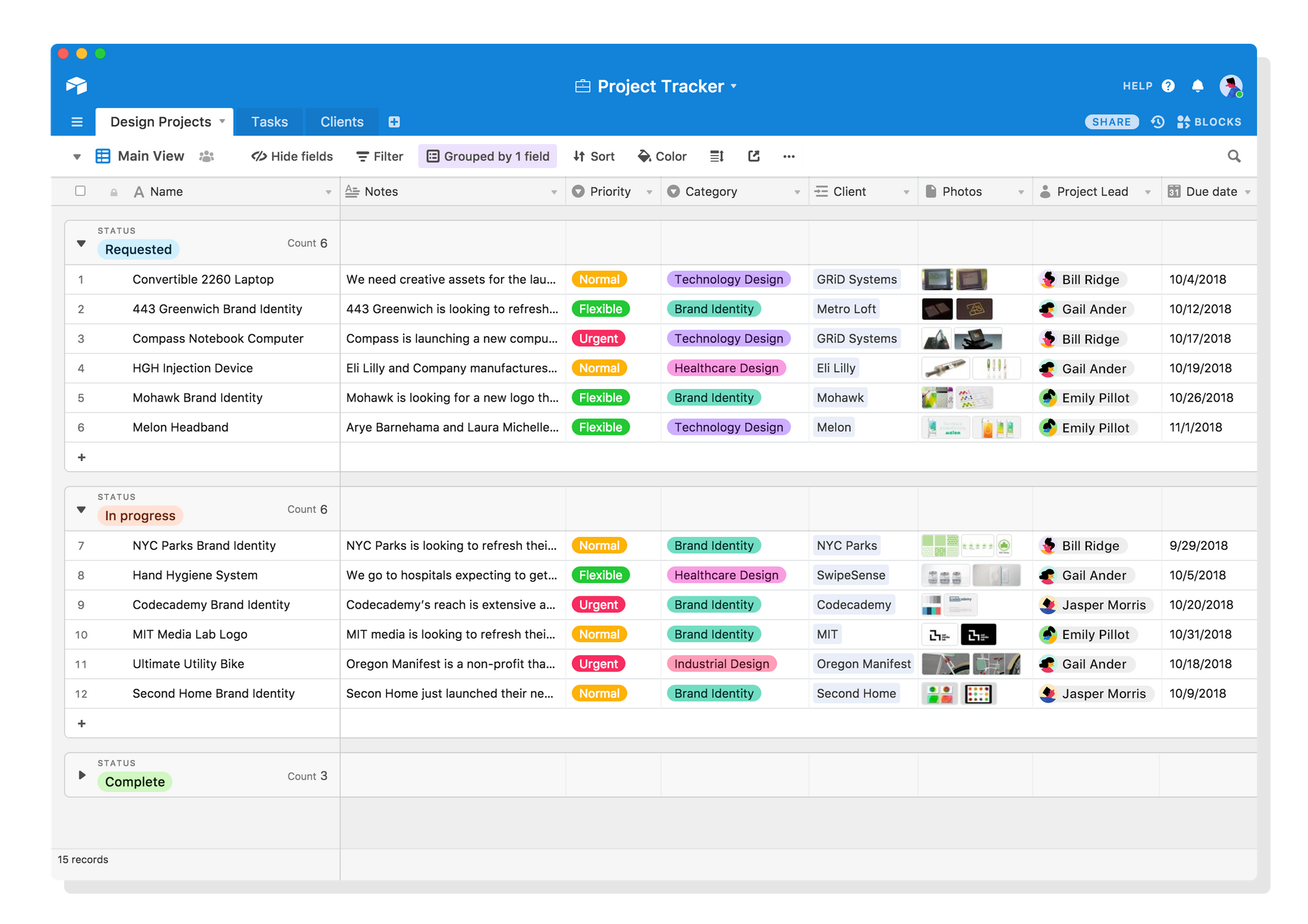
A structured experiment database. The system uses Airtable to store hypotheses, scores, experiments, and results. The workflow knows exactly which columns to populate and in which format. Without a structured database, the generated hypotheses have nowhere to go and the reactive loop cannot function. Google Sheets can work at early stages but becomes unreliable at scale.
Claude connected to your stack via MCP. The workflow runs through Claude with MCP connections to Amplitude, Airtable, and Slack. Claude needs to be able to read from Amplitude directly, write to Airtable, and communicate through Slack. Setting this up correctly, with the right skills configured and the right context built into each skill is what separates a system that works reliably from one that hallucinates frequently.
The Human Checkpoint
This workflow generates hypotheses. It does not select them.
Every hypothesis generated by the system goes into the hypothesis bank for human review before it is prioritised for testing. The system can generate 40 hypotheses in a sprint. Not all 40 are worth testing. The human review step where the team looks at each hypothesis, validates it against their product knowledge, and scores it, is what determines which ones get built.
This is an important distinction. The workflow amplifies hypothesis generation capacity. It does not replace the judgment required to decide which hypotheses represent the highest-value tests for your specific business context at this specific moment. Human checkpoints are non-negotiable. The 8-step A/B testing framework covers why this matters like a hypothesis that looks high-scoring in isolation may not be the right next test given your current roadmap priorities, traffic constraints, or engineering capacity.
Watch the full live demo
Zain walks through the complete hypothesis generation workflow live: proactive arm, reactive arm, Airtable database, and all five AI workflows in the full webinar recording.
Want this system built for your experimentation programme?
If you want to replace manual hypothesis generation with an AI-powered workflow connected to your Amplitude data, book a free strategy session.
👉See the Experimentation Growth Engine
FAQ
How do you generate A/B test hypotheses automatically with AI?
Connect Claude to your product analytics platform via MCP so it can read funnel data, session replays, customer feedback, and past experiment results. Claude synthesises these signals and generates structured hypotheses in the format: "We believe [change] for [segment] will cause [metric] to improve because [specific evidence]." Each hypothesis is automatically populated into an experiment management database like Airtable, ready for human review and prioritisation.
What data does AI use to generate experiment hypotheses?
The most reliable inputs are funnel analysis showing drop-off rates at each step, session replay data identifying friction points and frustration signals, customer feedback and product reviews, event-level analytics showing feature usage patterns, and past experiment results. The quality of hypothesis output directly reflects the quality and cleanliness of the underlying data -- messy analytics produce low-quality hypotheses.
What is the reactive hypothesis generation approach?
The reactive approach automatically generates new hypotheses from completed experiment results. When an experiment concludes, the system reads the results -- what moved, what did not, what segment-level patterns emerged -- and generates follow-on hypotheses based on what it found. This creates a compounding loop where every experiment informs the next round of tests without manual intervention.
Do I need Amplitude specifically for this workflow?
Amplitude is the analytics platform used in this system because of its MCP integration with Claude and the depth of data it provides -- including session replays, funnel analysis, and customer feedback. The underlying principle works with other analytics platforms that can connect to Claude via MCP or API, but Amplitude's native MCP support makes the integration significantly more reliable and the data quality higher.
What is the difference between proactive and reactive hypothesis generation?
Proactive hypothesis generation is manually triggered -- you initiate it at the start of a sprint to generate a fresh batch of hypotheses from current product data. Reactive hypothesis generation is automatically triggered by completed experiment results -- it runs after every experiment concludes to generate follow-on hypotheses from what the experiment revealed. Both arms feed into the same hypothesis bank and are reviewed by a human before prioritisation.