


How Pay.com.au Got Full Visibility Into Their Acquisition Funnel — and Finally Trusted Their Attribution Data
Key Achievements
- First-Ever Acquisition Analytics Foundation Built from Scratch
Pay.com.au had no prior tracking in place. Adasight established their first source of truth for behavioral data — covering the full signup and onboarding funnel, event taxonomy, SDK configuration, and validated data flow into Amplitude.
- Attribution Ambiguity Resolved
Long-standing uncertainty around UTM behavior — including empty and "none" values — was fully diagnosed. Initial UTM Source was established as the authoritative acquisition metric, with documentation so the team could independently validate attribution going forward.
- Existing Users Separated from New Prospects
Cohort logic was implemented to remove returning customers from acquisition reporting, giving Pay.com.au clean conversion metrics based on true acquisition traffic for the first time.
- Primary Signup Friction Points Identified
Funnel analysis, journey maps, and pathfinder analyses surfaced the exact drop-off points preventing users from completing registration — and produced a clear recommendation for the next optimization step.
- Full Team Enabled for Ongoing Reporting
Dashboards covering signup conversion by channel, funnel drop-offs by step, and acquisition quality across sources were built and iterated live with stakeholders — giving the team a repeatable weekly reporting system they could run independently.

The Challenge
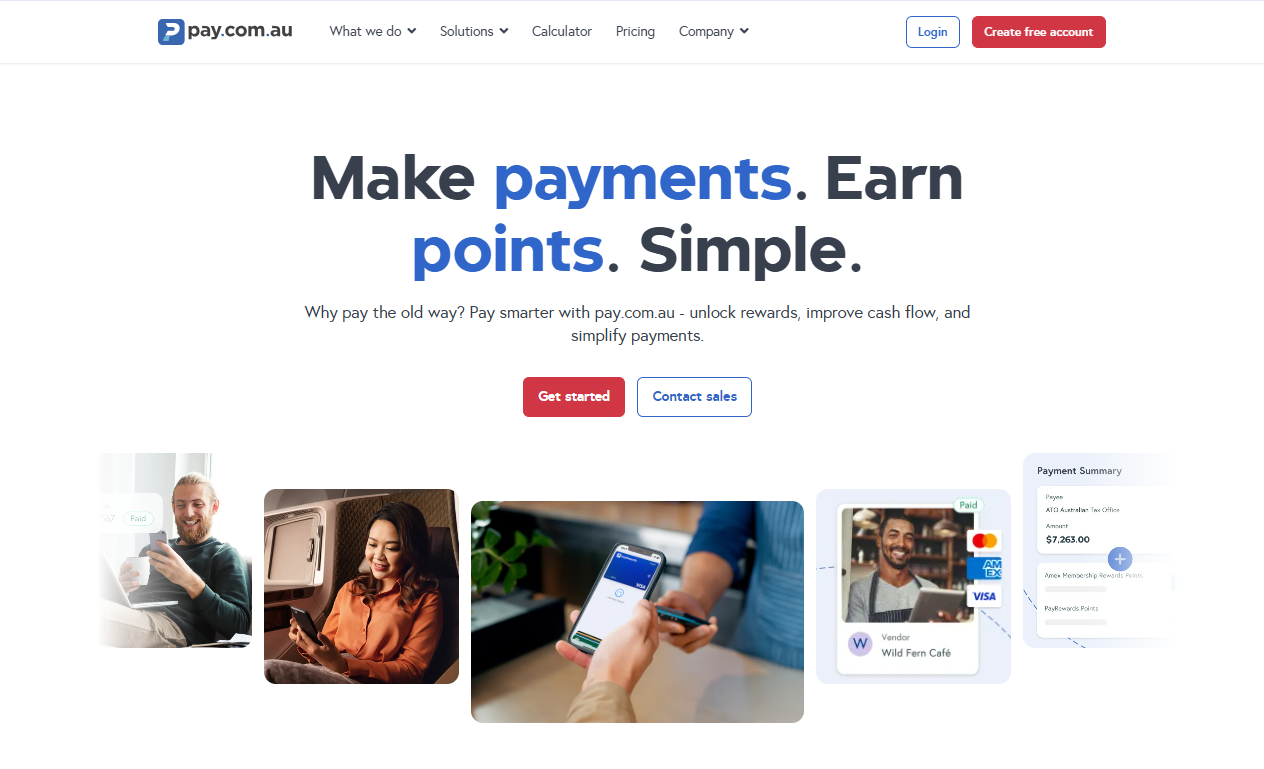
Pay.com.au is a digital payments platform focused on simplifying business payments and improving cash-flow visibility. As the team increased investment in acquisition and experimentation, they needed clearer insight into how users move from marketing touchpoints through signup and onboarding — and confidence that the attribution data they were acting on could actually be trusted.
Before the engagement, the business had no structured product analytics in place. There was no tracking framework to analyze user journeys or conversion paths, no visibility into how users interacted with key pages and features, and no internal knowledge base for analyzing behavioral data. Teams were relying on ad-hoc analysis rather than continuous insight generation, and attribution reporting was inconsistent enough that no one was confident acting on it.
The specific gaps were clear: unclear signup funnel behavior and drop-off points, difficulty separating new prospects from existing customers in website analytics, inconsistent UTM usage across campaigns, and no shared source of truth for acquisition performance. These issues made it hard to evaluate acquisition spend, prioritize funnel improvements, or align marketing, product, and leadership around the same numbers.

The Process
KPI & Funnel Definition
The engagement started by working with the Pay.com.au team to define success metrics and map key user journeys aligned with business goals. Three core questions anchored the work: what drives high-quality signups, where do users drop off before registration, and which channels are actually performing.
Tracking Plan & SDK Configuration
A structured Amplitude tracking plan was designed covering events, properties, and naming conventions. SDK setup was supported and custom events were validated to ensure accurate, reliable data flow — establishing Pay.com.au's first source of truth for behavioral data from a standing start.
Acquisition & Funnel Clarity
The full signup and onboarding funnel was mapped including intermediate steps, with major drop-off points identified before account registration. Funnels, journey maps, and pathfinder analyses were built to understand how users progress through the site and where specific journeys break down.
Cohort-Based Segmentation
To remove noise from acquisition reporting, cohort logic was implemented to separate existing platform users from new prospects, compare behavior between users who sign up versus those who drop off, and analyze funnel performance only on true acquisition traffic. This allowed Pay.com.au to view conversion metrics without inflation from returning customers.
Marketing Attribution & UTM Review
A full audit of UTM behavior was conducted, clarifying the difference between event-level and user-level UTMs and resolving ambiguity around empty and "none" values. Initial UTM Source was established as the authoritative acquisition metric. Validation steps were documented so the team could independently confirm attribution behavior, and a UTM builder was provided for consistent usage going forward.
Dashboards & Enablement
A curated dashboard suite was delivered covering signup conversion by channel and campaign, funnel drop-offs by step, acquisition quality across sources, and weekly top-of-funnel KPI monitoring using Amplitude's AI agent. Dashboards were iterated live with stakeholders to ensure clarity, relevance, and long-term usability.
The Outcome
Pay.com.au entered the engagement with no analytics foundation, unreliable attribution, and no clear picture of where users were dropping out of their signup funnel. By close, all three problems had been resolved.
The full acquisition funnel was instrumented and mapped, with primary drop-off points identified and a clear recommendation in place for the next optimization step — an in-funnel intervention targeting users who abandon before registration. Attribution logic was rebuilt around user-level UTMs, resolving the long-standing ambiguity that had undermined confidence in channel reporting. Cohort-based segmentation separated new prospects from returning customers, giving the team clean acquisition metrics for the first time.
Pay.com.au now has a reliable system to understand how users arrive, where they convert, and where to focus optimization efforts — with dashboards, documentation, and a shared source of truth their marketing, product, and leadership teams can all work from.
Ready to get the same clarity on your acquisition funnel?
- Data Foundation — tracking plan, taxonomy, dashboards, and cohorts built around your actual use cases
- Data Mapping & Integration — connect your data sources and get clean, reliable data flowing into Amplitude
- Data Stack Audit — diagnose what's broken or missing in your existing setup before you build on it
Book a call with Adasight and we'll figure out the right starting point together.


Get in touch!
Adasight is your go-to partner for growth, specializing in analytics for product, and marketing strategy. We provide companies with top-class frameworks to thrive.
