


Two Platforms, One Source of Truth: How USGBC Built a Trusted Analytics Practice Across Their Entire Organization
Key Achievements
USGBC is the nonprofit behind LEED — the world's most widely used green building rating system — with a mission to transform the way buildings and communities are designed, built, and operated. Alongside LEED, they operate ARC, a sustainability performance platform that provides transparency into building performance data. As their digital platforms grew, so did the complexity of measuring how users actually engaged with them — and that's where the analytics gaps started to show.

- Unified Analytics Foundation Built Across Two Distinct Platforms
USGBC.org and ARC serve different users with different goals. Adasight established a single, consistent analytics framework across both — from KPI definition and tracking plans through to validated event data and cross-platform identity management.
- Teams Left the Engagement Able to Build Independently
The goal was never just to hand over dashboards. Through hands-on working sessions, internal stakeholders gained the skills to implement new tracking, build their own analyses, and expand their Amplitude practice without ongoing external support.
- KPI and Funnel Dashboards Delivered for Each Platform
Tailored dashboards gave each team immediate visibility into user behavior and conversion performance — built around their specific business objectives and iterated live with stakeholders to ensure long-term usability.
- Cross-Platform Identity Management Solved
With two platforms serving overlapping user bases, reliable cross-platform analytics required a structured approach to user stitching and identity resolution. Adasight advised on the right strategy and ensured it was implemented correctly from the start.
- Data Teams Can Finally Trust
Fragmented, unvalidated data was replaced with a reliable, structured event taxonomy and a validation process the team could repeat independently — giving leadership and individual contributors the confidence to make decisions based on what they were seeing in Amplitude.
The Challenge
A nonprofit with two products, two user journeys, and no shared way to measure either
USGBC is one of the most recognized names in sustainable building. As the organization behind LEED certification and the ARC sustainability performance platform, their work touches buildings, communities, and organizations around the world. But internally, their analytics told a different story.
As Amplitude was adopted across USGBC.org and ARC, the team faced a problem that's more common than most organizations admit: data existed, but nobody trusted it. Events were being collected, but without a consistent framework, clear ownership, or validated implementation, the numbers in dashboards weren't reliable enough to act on. Two platforms meant two sets of user journeys, two sets of business objectives, and — without a deliberate strategy — two separate, fragmented views of performance that couldn't be reconciled.
The deeper problem wasn't technical — it was structural
What USGBC needed wasn't just implementation help. They needed a way to agree on what to measure and why before building anything. They needed confidence that the data being collected reflected real user behavior. And critically, they needed their own teams to understand the analytics infrastructure well enough to sustain and grow it — without becoming permanently dependent on external support every time something needed to change.
The specific gaps were clear: no consistent analytics framework across the two platforms, no clearly defined KPIs or funnels tied to actual business goals, no reliable event tracking or data validation process, no strategy for stitching user identity across platforms, and no internal capability to build on what existed.
Getting this right meant starting with the fundamentals — and building something the organization could genuinely own.

The Process
Starting with what matters: defining the right things to measure
Before any implementation work began, Adasight worked closely with stakeholders across both platforms to get alignment on what success actually looked like. Analytics only works when the metrics being tracked connect directly to decisions someone needs to make. For USGBC.org, that meant understanding the education and certification journeys — how users discover, engage with, and convert through the platform's core offerings. For ARC, it meant mapping the sustainability performance workflows that drive platform engagement and retention.
From that foundation, KPIs and conversion funnels were defined for each platform, grounded in business objectives rather than what was easiest to instrument. These became the anchor for every tracking decision that followed.
Building a foundation that could be trusted
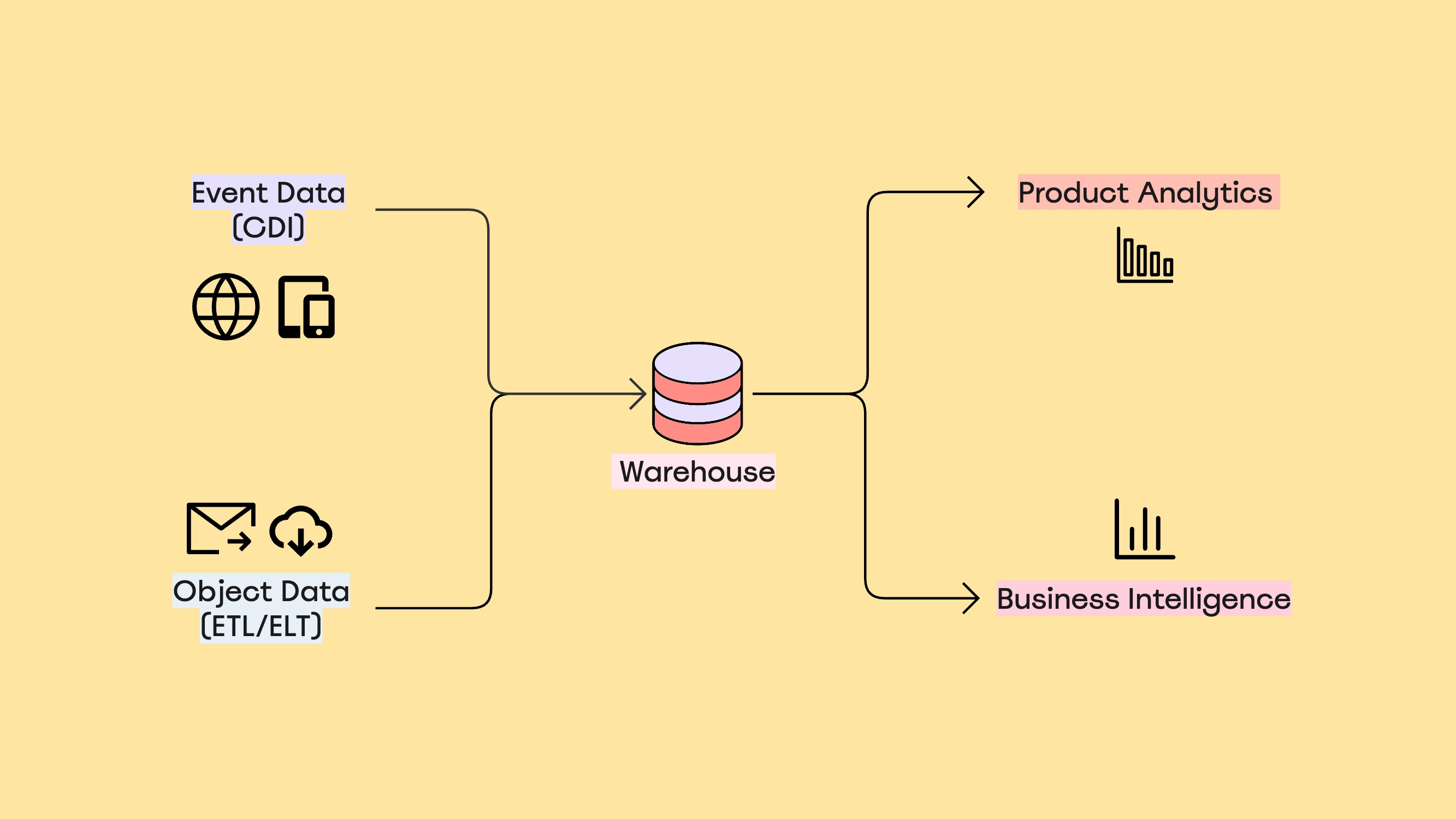
With the measurement framework agreed, the technical work began. Structured tracking plans were built for both platforms, covering event taxonomy, naming conventions, and the properties needed to answer the questions that mattered. SDK configuration was guided, event instrumentation was supported, and data quality was validated at every step — so when a number appeared in a dashboard, the team could be confident it reflected reality.
Cross-platform identity management was a specific focus. With overlapping user bases across USGBC.org and ARC, understanding how the same user behaved across both platforms required a deliberate approach to user stitching and identity resolution. Adasight advised on the right strategy and ensured it was implemented correctly from the start, giving USGBC the infrastructure to do cross-platform analysis reliably.
Dashboards built for decisions, not presentations
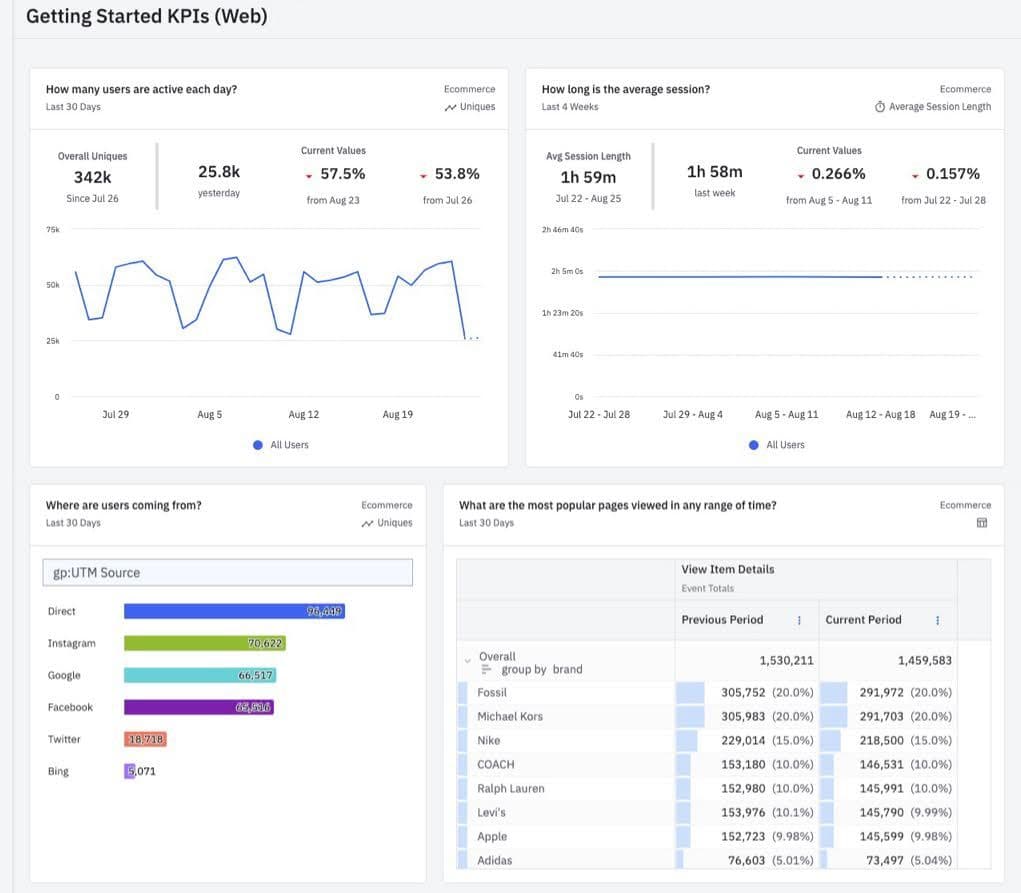
With clean data flowing, KPI and funnel dashboards were built for each platform — tailored to the specific user journeys and business objectives that had been defined at the start. These weren't dashboards designed to look impressive in a review meeting. They were built to answer real questions: where are users dropping off, which channels are driving quality traffic, how are users progressing through key workflows.
Every dashboard was iterated live with the stakeholders who would actually use them, ensuring the final output was relevant, interpretable, and something the team would return to week after week rather than file away.
Leaving the team genuinely capable — not just informed
The final and most deliberate part of the engagement was enablement. Working sessions were run with internal stakeholders covering event management, dashboard creation, and how to interpret and act on behavioral data. The goal was for USGBC's teams to understand the analytics infrastructure well enough to own it — to implement new tracking when products change, build new analyses when new questions emerge, and expand their Amplitude practice as both platforms grow.
By the end of the engagement, that's exactly where they were.
The Outcome
From fragmented data to a foundation the whole organization can build on
USGBC entered the engagement with data they couldn't trust, no shared framework across two platforms, and no clear path to building internal analytics capability. By close, all three had been resolved.
Both USGBC.org and ARC now operate from a unified, validated analytics foundation — with consistent event taxonomy, reliable data quality, and dashboards that give each team immediate visibility into the user behaviors and conversion metrics that matter to their platform. Cross-platform identity management means that overlapping users can be analyzed coherently across both products for the first time.
More importantly, the teams who use Amplitude every day left the engagement with something that doesn't show up in a deliverable list: the confidence and capability to keep building. Internal stakeholders can implement new tracking, create new analyses, and expand their Amplitude practice without needing to bring in external support every time something changes. The analytics practice USGBC now has isn't just functional — it's theirs.
Working on something similar?
If your organization is dealing with fragmented data across multiple products, an analytics setup your teams don't fully trust, or a gap between the data you're collecting and the decisions you're trying to make — these are the Adasight services most relevant to where USGBC started:
- Data Stack Audit — diagnose what's broken, missing, or duplicated in your existing setup before you build on it
- Data Mapping & Integration — connect your data sources and get clean, reliable data flowing into Amplitude
- Data Foundation — tracking plan, taxonomy, dashboards, and cohorts built around your actual use cases
Book a call with Adasight and we'll figure out the right starting point together.

Get in touch!
Adasight is your go-to partner for growth, specializing in analytics for product, and marketing strategy. We provide companies with top-class frameworks to thrive.
